

Your Outdoor Space, Sorted: A Year-Round Cleaning Plan
A clean patio, tidy paths, clear gutters and presentable garden furniture make a home feel looked after before anyone even steps inside. The trouble is that in the UK, outdoor areas rarely stay clean for long. Rain drives dirt into paving, leaves collect in corners, moss creeps into joints, and one neglected month quickly turns into a much bigger job.
That's why the best tips to keep my outdoor space clean aren't about doing everything at once. They're about having a simple system. A bit of routine upkeep stops grime bedding in, and knowing when to bring in a specialist saves time, money and damaged surfaces.
Most homeowners can handle the light work themselves. Sweeping, rinsing furniture, clearing small bits of debris and spotting problems early all make a real difference. But some jobs need proper equipment, controlled pressure, safe products and experience, especially on stone, timber, gutters and stained driveways.
The aim is straightforward. Keep day-to-day mess under control, prevent avoidable damage, and call in help before a “quick clean” turns into a restoration job. If you're looking for practical tips to keep my outdoor space clean, this guide gives you the jobs worth doing yourself, the mistakes worth avoiding, and the points where hiring a verified professional through Cleaner Connect makes the most sense.
1. Regular sweeping and debris removal
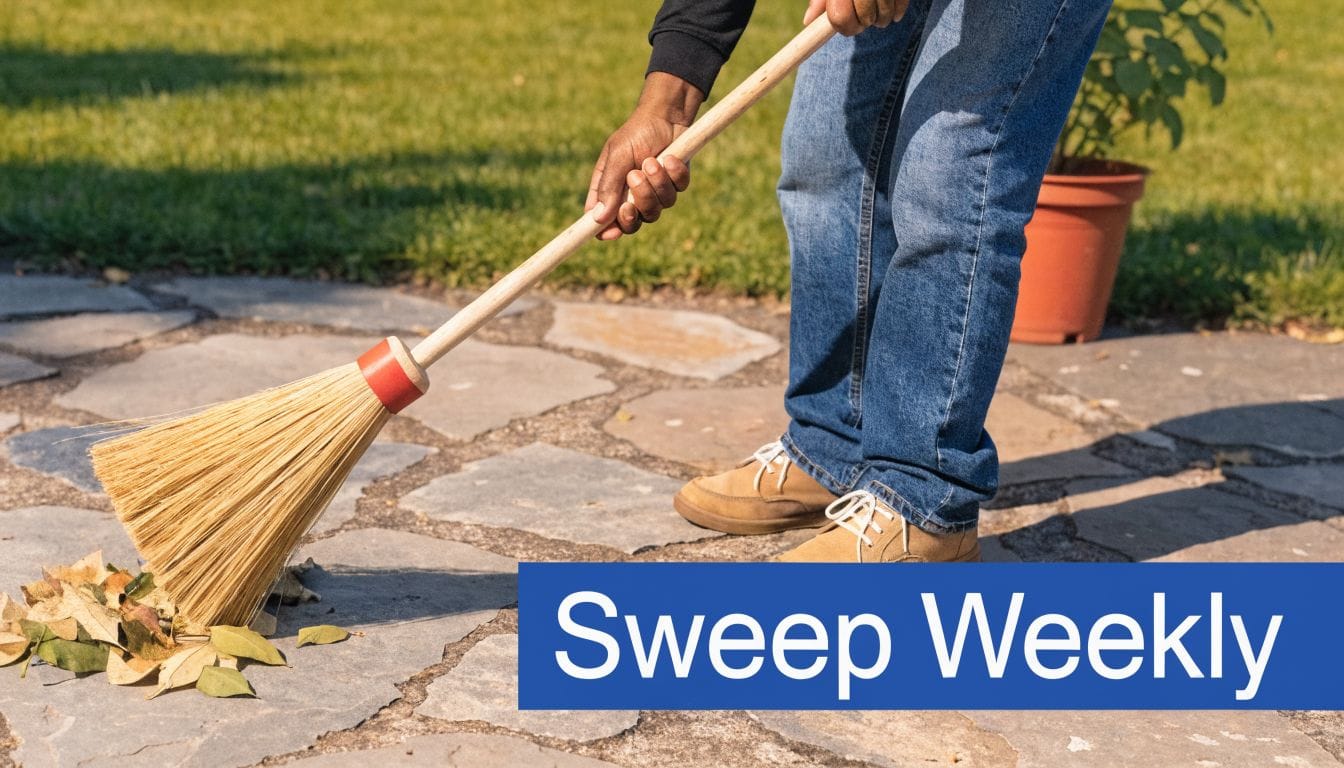
Sweeping is the least glamorous job on this list, but it does more to keep an outdoor area clean than many realize. Debris traps moisture. Moisture feeds algae and moss. Once that starts, your patio or path goes from dusty to slippery.
The simple fix is regular sweeping. The available guidance in the supplied data supports weekly debris sweeps as a practical baseline for outdoor maintenance, especially for patios and hard surfaces in changeable weather, as noted by outdoor cleaning advice from Maid Day. If your garden sits under trees, you may need to do it more often during leaf fall.
What actually works
Use the right brush for the surface. A soft indoor broom just skims over outdoor dirt. A stiff-bristled yard brush shifts damp leaves, compacted grit and the fine layer of grime that settles on paving slabs and block edges.
Early morning often works well because a little dew helps stop dry dust blowing about. That matters on patios, pathways and driveways where fine dirt gets pushed into corners rather than picked up.
Practical rule: If leaves are left to break down on paving, you're no longer cleaning. You're creating a damp compost layer on the surface.
For landlords and letting agents, this is one of the easiest jobs to stay on top of between inspections. For homeowners, it keeps the bigger jobs smaller. For anyone living in a period property with older stone, it also reduces the need for aggressive cleaning later.
- Sweep edges first: Dirt collects against walls, planters and steps before it shows in the middle.
- Bag or compost sensible waste: Dry leaves and light garden debris can often go straight to compost if they're disease-free.
- Check joints while sweeping: Loose pointing, sunken blocks and weed growth are easier to catch early.
Done properly, sweeping isn't a token chore. It's one of the most useful tips to keep my outdoor space clean because it prevents the conditions that make everything else harder.
2. Pressure washing and power cleaning
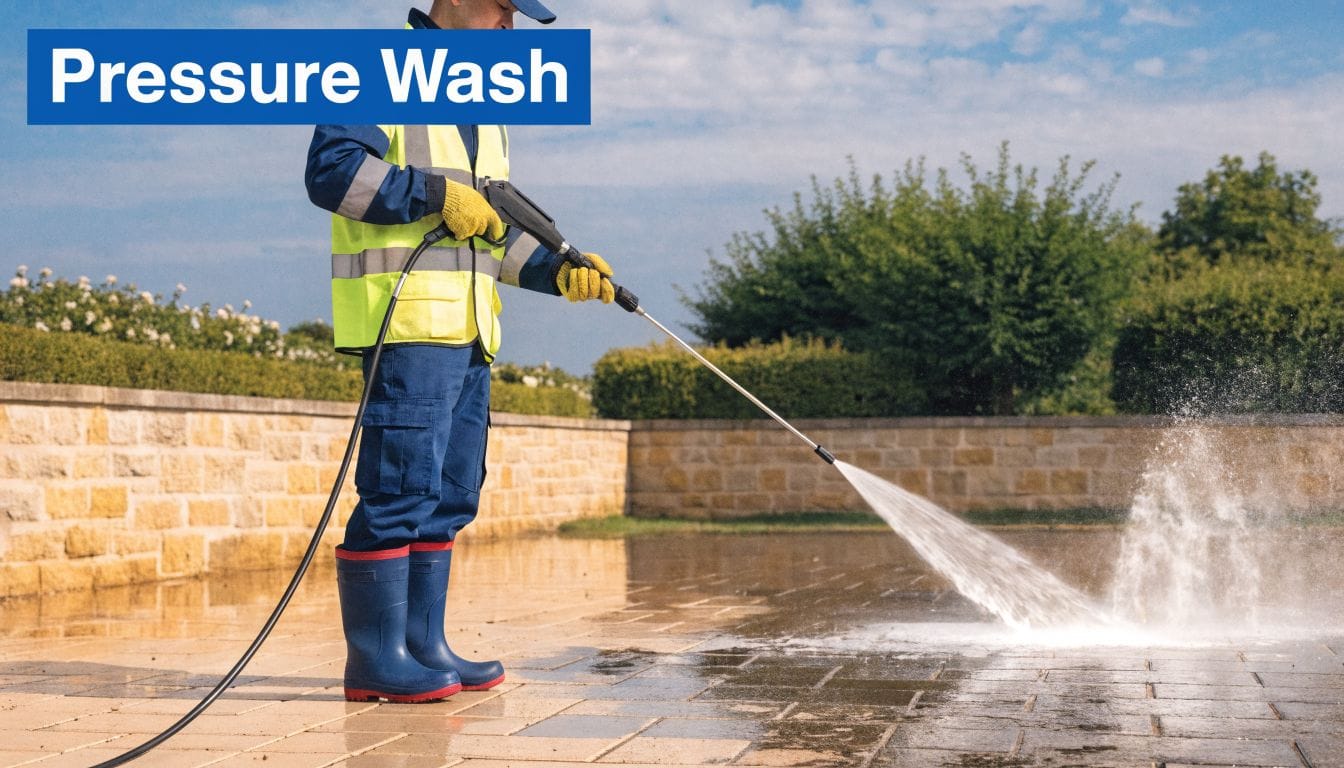
A patio can look tired for months, then one afternoon with the wrong pressure setting leaves permanent stripes, furred-up stone or missing jointing sand. I see that mistake a lot. The machine gets blamed less often than the method.
Pressure washing works best as a controlled cleaning method, not a brute-force fix. Different surfaces need different pressure, nozzle angles and working distance. Concrete can usually take more than soft sandstone. Resin-bound surfaces, old pointing, painted masonry and weathered decking need a lighter touch, and some should not be pressure washed at all.
DIY makes sense for light dirt on newer, durable surfaces if you can keep the lance moving, avoid blasting joints, and test a small hidden area first. Trouble starts when the grime is biological, the staining is deep, or the surface already has weak spots. Black lichen on paving, slippery algae on shaded slabs, and heavy build-up in textured concrete often need more than a quick pass from a hire machine.
A good result comes from matching the cleaning method to the material. Hot water can outperform higher pressure on greasy marks. Pre-treatment can do more work than the rinse. Re-sanding block paving after washing is often part of the job, not an optional extra.
A proper clean removes contamination and protects the surface finish.
Book a professional if you notice loose pointing, flaking stone, drained-looking block joints, widespread staining, or runoff heading toward doors and drainage channels. Those are the points where the risk of damage rises and the job stops being a simple weekend task. If you are preparing for a tenancy change, a sale, or a full property reset, it also helps to line up outdoor work with an indoor plan such as this spring cleaning checklist for the whole property.
Price matters, but method matters more. A cheaper quote can become expensive if the contractor etches the surface, leaves zebra lines, or walks away before replacing kiln-dried sand. For a broad look at how cleaning prices can vary by access, surface and scope, this guide on Atlanta exterior cleaning cost factors is useful as a comparison point, even though it isn't UK pricing.
Cleaner Connect helps at the decision point that catches many homeowners out. Use it to compare verified specialists, check insurance, and ask exactly how they will clean your surface. If a contractor cannot explain pressure level, detergents, surface suitability and aftercare in plain English, keep looking.
3. A seasonal deep cleaning and maintenance schedule
A lot of outdoor spaces go wrong the same way. Nothing gets done for months, then one warm weekend arrives and every job lands at once. Patio grime, clogged channels, green patches on paving, dirty furniture, full gutters. A seasonal schedule stops that pile-up and gives you a cleaner space with less effort overall.
The main benefit is timing. You catch small issues while they are still cheap and simple to deal with. You also avoid booking specialist help at the exact point everyone else is trying to do the same.
Use the year in four passes
Spring is the reset. Check patios, paths, steps, decking, drainage points, gutters, fences, outdoor taps, bins and seating areas. Winter tends to leave behind silt, leaf staining, slippery patches and minor damage that is easy to miss until regular use starts again.
Summer is for lighter upkeep and presentation. Sweep more often, wipe down furniture, clean up food and drink spills quickly, and keep an eye on shaded areas that start to green over. Dry weather also makes it easier to see what needs repair rather than another wash.
Autumn is about control. Leaves, seeds and organic debris build up fast and start holding moisture against surfaces. Clear them before they break down into staining and sludge, especially around corners, drains and the edges of paving.
Winter is the prevention phase. Stay on top of drainage, remove wet debris, and watch for standing water or slippery growth in shaded spots. This is also the right time to spot loose boards, cracked pointing and blocked gullies before freezing weather makes them worse.
A spring cleaning checklist for the whole property helps tie outdoor work to the rest of your seasonal maintenance, which is usually more realistic than treating the garden and exterior as a separate project.
A simple framework works well:
- Inspect first: Walk the whole space and note dirt, damage, drainage problems and repeat trouble spots.
- Handle low-risk jobs yourself: Sweeping, furniture cleaning, light scrubbing, bin washing and basic debris removal are usually straightforward.
- Book specialist work early: Gutter clearing, treatment for persistent biological growth, repairs, and large-area cleaning are easier to schedule before the busy months.
- Track repeat issues: If the same corner stays damp or green every season, the cause is usually shade, runoff or poor drainage, not a lack of effort.
Homeowners often waste time by repeatedly cleaning the symptom. A better approach is to address the underlying condition causing the mess.
For landlords, holiday let hosts and anyone preparing for viewings or summer use, a schedule also protects presentation standards. Planned maintenance is cheaper than last-minute rescue work, and the finish is usually better because there is time to clean properly, let surfaces dry, and deal with repairs in the right order.
If the checklist keeps expanding, bring in a professional. Cleaner Connect makes that handoff easier. You can compare verified specialists, check what they cover, and hire the right person for the jobs that need proper equipment, treatment knowledge or safe access.
4. Moss, algae, and mould prevention and removal

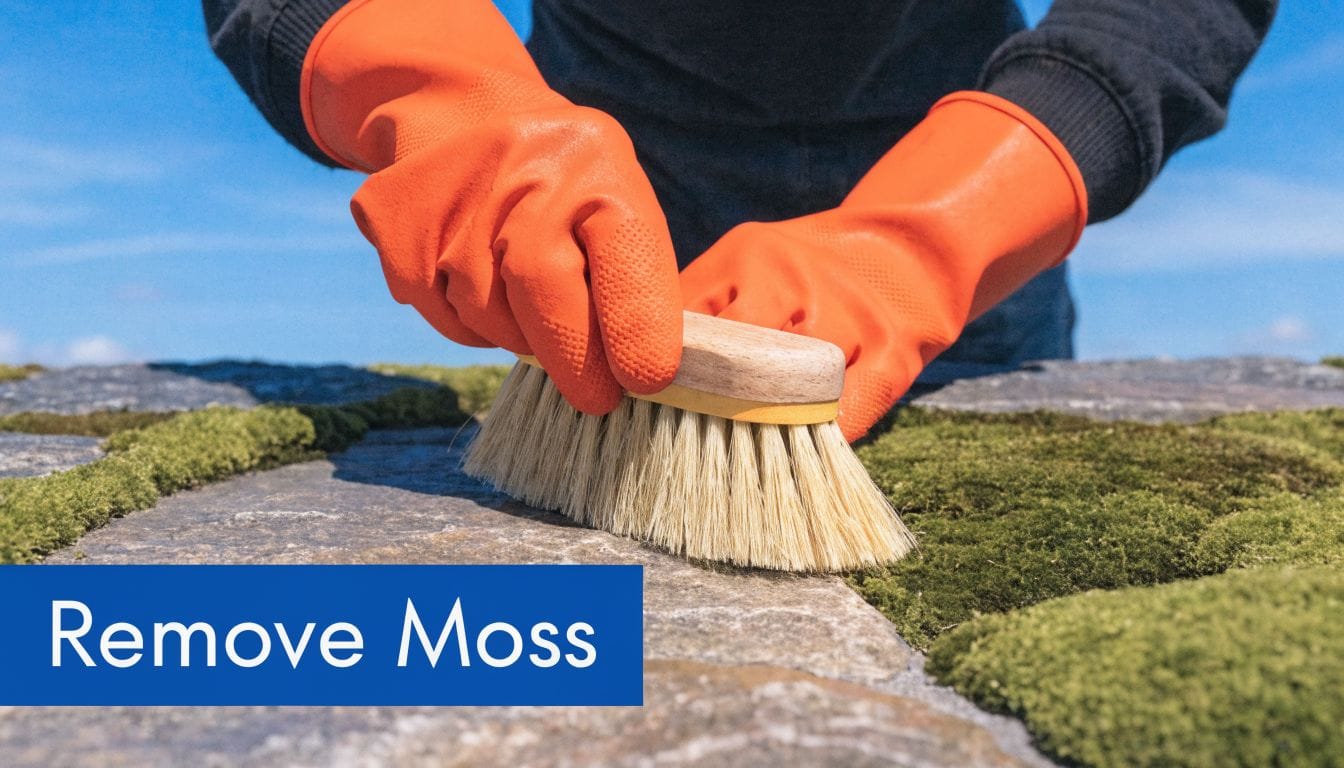
If your patio looks green, blackened or slick after rain, you're not dealing with “a bit of dirt”. You're dealing with biological growth. That matters because moss, algae and mould don't just look bad. They create slip risks and can shorten the life of the surface if they're left in place.
Most recurring growth comes down to three things. Shade, trapped moisture and poor airflow. If you only blast the top off and ignore those conditions, it comes back.
Prevention beats repeat cleaning
Trim back overhanging shrubs and branches where practical. Clear planters and clutter that stop air moving around corners. Check whether water sits on the surface after rain. If it does, sorting the drainage matters more than another scrub.
The supplied research also highlights a UK-specific issue that many generic guides ignore. Nicholas Design Build's background summary notes record-high pollen counts in southern England in 2025, up 30% from 2024 averages, which can leave sticky residue on patios. That sort of film catches damp and grime, making surfaces dirty faster and standard sweeping less effective.
On site, this is what I look for first: where the moisture sits, where the light doesn't reach, and whether the growth is isolated or across the whole area.
For small patches, a careful scrub and tidy-up can help. For widespread growth, older stone or anything slippery near steps, get a specialist involved. A professional can assess whether soft washing, biocide treatment or controlled pressure cleaning is the safer option.
- Don't ignore green joints: Growth between blocks often means water is lingering below the surface too.
- Treat the cause as well as the symptom: More sunlight and better drainage reduce repeat work.
- Be cautious with harsh chemicals: Wrong products can damage adjacent planting, timber or stone.
This is one of the most important tips to keep my outdoor space clean because prevention changes the workload. Remove the conditions moss likes, and you stop fighting the same battle every few months.
5. Gutter and drain cleaning
Gutters and drains are easy to ignore because they're not at eye level until something goes wrong. By then, the signs are obvious. Overflowing water, staining on walls, damp around the base of the house, and debris spilling from hoppers and downpipes.
This isn't a smart DIY job for the average homeowner. Working at height is the obvious risk, but there's also the issue of spotting small failures before they become expensive ones. A professional doesn't just pull out leaves. They look at joints, brackets, flow and blockages in the system.
Why timing matters
The usual sensible pattern is after autumn leaf fall and again in early spring. That lines up with the common trouble spots. Heavy leaf drop blocks the system, and winter weather then tests every weak point.
If you're unsure when to schedule it, this guide on the best time to clean your gutters gives a useful planning framework.
For landlords and owners of older properties, I'd take this further and ask for before-and-after photos every time. Not because you expect the worst, but because a visual record helps when you're tracking recurring blockages or checking whether one side of the property always collects more debris.
Overflow at one corner often means the blockage is somewhere else in the run. Don't assume the visible problem is the only problem.
If you want a general cost comparison article, this gutter cleaning cost guide from Rescreen Rescue shows the sort of factors that influence pricing, such as access, building height and buildup level.
Cleaner Connect is useful for this job because trust matters more than bargain hunting. Look for insured, ID-checked professionals, check reviews, and ask how they handle debris removal and photo evidence. A clean gutter should move water properly. If it still overflows in the next downpour, the job wasn't finished.
6. Garden furniture and outdoor equipment cleaning
A tidy patio still looks neglected if the chairs are green, the table is sticky and the storage box has grime ground into the lid. Furniture cleaning is where presentation and maintenance meet. Done regularly, it keeps the space usable. Left too long, it turns into scrubbing, staining and material damage.
Different materials need different handling. That's where people often get frustrated. They use one strong cleaner on everything, then wonder why timber dries out, powder-coated metal marks, or fabric cushions never quite recover.
Clean by material, not by habit
Plastic furniture can usually take a straightforward wash with mild cleaner and a soft brush. Painted metal needs a gentler touch so you don't scratch the finish. Timber should be cleaned without soaking it, then protected with the correct oil or sealer for the wood type.
Fabric is the one people rush. Cushions and covers need proper drying before storage, otherwise you trap moisture and create the smell and spotting you were trying to prevent.
- Start and end of season: Give all seating and tables a proper clean before heavy summer use and again before winter storage.
- Lift cushions and check undersides: Hidden green growth often sits where air can't circulate.
- Don't forget bins, sheds and storage benches: These affect how clean the whole area feels.
For holiday lets, pubs and cafés, this is essential. Guests notice dirty seating immediately because they have to touch it. For homeowners, it's one of the easier wins. A washed table, clean chair arms and fresh-looking cushions can make the whole garden look better even before the patio is deep cleaned.
If the job is large, the materials are mixed, or the grime has built up over more than one season, it's worth looking for a suitable outdoor cleaning specialist on Cleaner Connect. Verified profiles make it easier to ask the right questions before you commit.
7. Driveway and pathway stain treatment
You notice it most when the rest of the front garden looks tidy. The path is swept, the borders are cut back, then one oil patch by the car or a line of rust marks near the gate pulls your eye straight in. Stains do that. They make a clean space look neglected faster than loose dirt ever will.
Driveway and path stains need stain-specific treatment. Oil, rust, tyre marks, leaf tannins and tree sap all behave differently, and the surface matters just as much as the stain. Concrete is forgiving. Resin, natural stone and decorative finishes are less so. Use the wrong chemical or too much pressure and you can swap one obvious mark for a bleached patch, etched surface or stripes across the paving.
Fresh contamination is the best DIY window. If oil has just dripped, absorb what you can first, then use a degreaser suited to the surface. If rust has come from furniture feet or metal gates, use a rust treatment made for masonry rather than a general cleaner and hope for the best. Sap and organic staining often need patience more than force.
The trade-off is simple. Spot treatment can save time and money, but isolated cleaning often leaves the treated area cleaner than everything around it. That is why a stain can be technically removed and still look poor from the street. On older drives, the better result usually comes from treating the stain, then cleaning enough of the surrounding surface to blend the finish properly.
- Act early: Fresh spills are easier to lift before they soak deeper into concrete or block joints.
- Test first: Some treatments can lighten stone, affect sealants or change the colour of repaired patches.
- Match product to surface: What works on plain concrete can damage resin-bound finishes or certain natural stones.
- Plan for blending: Removing the mark is only half the job if the surrounding area is still weathered.
This is one of the clearest trigger points for bringing in a professional. Old oil staining, multiple marks, unknown paving types and expensive finishes are all cases where trial and error gets costly. A good specialist will identify the stain, choose a treatment that suits the surface, and clean the area to an even standard rather than chasing one spot.
If that sounds like your job, use Cleaner Connect to find a verified outdoor cleaning specialist before the surface gets marked up by the wrong product or pressure setting.
8. Decking and wooden surface maintenance
Timber needs a different mindset from stone or concrete. You're not just cleaning dirt off the top. You're managing moisture, surface wear and early signs of decay. If you clean wood too aggressively, you raise fibres, create splinters and shorten its life.
That's why high pressure and decking rarely mix well. Controlled low-pressure washing or careful brushing is safer. On timber, the job is to clean and preserve, not blast it back to raw wood unless full restoration is planned.
What keeps timber looking good
Clear leaves and organic debris regularly so moisture doesn't sit on the boards. Check for slippery areas, soft patches, loose fixings and any boards that stay dark after dry weather. Those are often the first hints that water is hanging around too long.
The supplied trend summary from Insignia Landscape's outdoor patio guide notes a growing shift towards sustainable outdoor cleaning, including low-pressure steam cleaning and biodegradable methods. That matters on timber because gentler cleaning often protects the surface better than harsh chemicals or overpowered washing.
If the deck is older, shaded, or part of a holiday let or pub garden, annual treatment is worth the effort. The finish doesn't just improve appearance. It helps the wood shed water properly.
Timber usually fails slowly, then suddenly. A board looks fine until one wet season exposes everything that's been building underneath.
- Use the right treatment for the timber: Hardwood and softwood products are not interchangeable.
- Seal at the right time: Apply oil or sealer when the wood is clean and fully dry.
- Call in help for restoration work: Greyed boards, deep staining and widespread slipperiness usually need more than a quick wash.
For complex decking jobs, Cleaner Connect helps you narrow the search to verified professionals who can explain their process clearly. That's what you want with wood. Not just someone who owns a pressure washer.
8-Point Outdoor Cleaning Tips Comparison
| Service | 🔄 Implementation Complexity | ⚡ Resource Requirements | ⭐ Expected Effectiveness | 📊 Results / Impact | 💡 Ideal Use Cases / Tips |
|---|---|---|---|---|---|
| Regular Sweeping and Debris Removal | Low, simple routine tasks | Low, broom/brush, time (weekly/bi‑weekly) | ⭐⭐, prevents buildup but not deep stains | Keeps surfaces tidy; reduces pests and slip hazards | Sweep weekly in autumn; stiff brush for stubborn debris |
| Pressure Washing and Power Cleaning | Medium–High, equipment and skill required | High, professional equipment, trained operator, water | ⭐⭐⭐⭐⭐, deep, visible restoration | Restores surfaces, extends lifespan, improves value quickly | Hire insured pros; schedule spring/autumn; ask about soft‑wash |
| Seasonal Deep Cleaning & Maintenance Schedule | Medium, planning and coordination | Moderate, mix of DIY and booked services | ⭐⭐⭐⭐, prevents seasonal deterioration | Consistent upkeep; fewer emergencies; predictable costs | Create checklists; book peak‑season services early |
| Moss, Algae & Mould Prevention & Removal | Medium, diagnosis + targeted treatment | Moderate, biocides, sealants or pro services | ⭐⭐⭐⭐, effective when treated correctly | Safer, cleaner surfaces; reduces long‑term damage | Improve drainage, trim shade, use pro biocide in spring |
| Gutter and Drain Cleaning | Medium, safety/height risks, inspections | Moderate, ladders/hoses or professional teams | ⭐⭐⭐⭐, highly effective at preventing water damage | Prevents damp, protects fascias/foundations, reduces pests | Clean twice yearly; always hire insured professionals |
| Garden Furniture & Outdoor Equipment Cleaning | Low–Medium, material‑specific methods | Low–Moderate, cleaners, steam for fabrics, time | ⭐⭐⭐, restores look and hygiene, variable by material | Extends furniture life; improves outdoor usability | Clean start/end of season; use correct products per material |
| Driveway & Pathway Stain Treatment | Medium, correct identification essential | Moderate–High, specialist chemicals/equipment | ⭐⭐⭐⭐, removes many stubborn stains if timely | Boosts kerb appeal; prevents permanent surface damage | Treat spills immediately; combine with pressure wash & sealant |
| Decking & Wooden Surface Maintenance | Medium–High, specialised wood care | Moderate–High, soft wash, oils/sealants, inspections | ⭐⭐⭐⭐, preserves structure and appearance | Extends deck life; reduces splinters and rot risk | Use low‑pressure cleaning; apply protective sealer annually |
Ready for a Spotless Outdoor Space? Find Your Expert Today
Keeping on top of an outdoor area doesn't have to mean spending every weekend cleaning. The most effective approach is usually the simplest one. Stay consistent with the small jobs, catch problems early, and bring in a professional when the work needs specialist equipment, safe access or a more controlled method.
That balance matters. Sweeping leaves, wiping furniture down and dealing with light debris are sensible DIY tasks. They're quick, low-cost and they stop grime building into something harder to shift. But there's a line between maintenance and specialist cleaning, and knowing where that line sits can save you from damaging paving, marking timber or missing issues with drainage and gutters.
That's the value in practical tips to keep my outdoor space clean. Not every job should be outsourced, and not every job should be tackled with a broom, hosepipe and good intentions. Pressure washing, gutter clearing, stain treatment, moss removal and timber restoration all need a bit more judgement. In those cases, hiring the right cleaner is often cheaper than fixing a poor result.
Cleaner Connect makes that part easier. It's a UK directory, not a cleaning company, so the point is choice and transparency. You can search by service and location, compare verified profiles, check reviews, and message professionals directly. When you're hiring for outdoor work, those trust signals matter. You want to know who's insured, who's ID-checked, and who looks equipped for the kind of job you have.
That's useful whether you're a homeowner freshening up the garden, a tenant trying to leave a place in good order, a landlord preparing for new occupants, or a host getting an outdoor area guest-ready. The right cleaner should be able to explain the method, talk you through likely results and set realistic expectations on upkeep afterwards.
If your patio is dull, your gutters are blocked, your decking's going green or the driveway is covered in old stains, don't leave it until it turns into a bigger project. Use the manageable jobs to stay ahead of the mess, then get a qualified professional in for the work that needs doing properly. That's the quickest route to an outdoor space that looks better, lasts longer and is ready to enjoy.
If you're ready to stop searching blindly and start comparing trusted local professionals, use Cleaner Connect UK Ltd to find outdoor cleaning specialists in your area. You can search for free by category and location, browse insured and ID-checked profiles, read reviews, and message cleaners directly with no booking fees.