
You notice summer dirt differently. Morning light hits the patio doors, and suddenly the fingerprints show up. Open a cupboard near the hob and there is grease on the edge. Step into the bathroom barefoot and the grout looks tired, not just used.
That is usually the point where a basic tidy stops being enough.
A solid summer deep cleaning plan resets the house for the months when windows stay open, pollen comes in, outdoor traffic picks up, and warm rooms hold onto smells faster. Weekly cleaning keeps things presentable. It rarely deals with the built-up grime inside appliances, deep in carpet fibres, around window frames, or in damp bathroom corners.
The smart approach is to separate maintenance jobs from specialist work. Shelves, skirting boards, wardrobe clear-outs, and surface wipe-downs are fair DIY tasks if you have the time. Oven interiors, exterior glazing, upholstery extraction, pressure washing, and gutter clearing often give a better return when a trained cleaner handles them with the right tools. That is the difference between a checklist you start and a house that feels reset.
If you want a gentler seasonal starting point before you commit to a full deep clean, these fragrance-free spring cleaning tips are useful.
The sections below treat summer cleaning as a practical plan, not a guilt list. Use it to decide what to do yourself, what to book out, and where a verified professional through a trusted directory such as Cleaner Connect will save you the most time, mess, and repeat effort.
1. Deep Clean Kitchen Appliances and Interiors
The kitchen usually needs the most discipline because grime builds up slowly. People notice crumbs and worktops, but they ignore the oven glass, the extractor filter, the rubber seals around the fridge and the inside edges of cupboards. By summer, all of that stale residue starts to feel heavier.
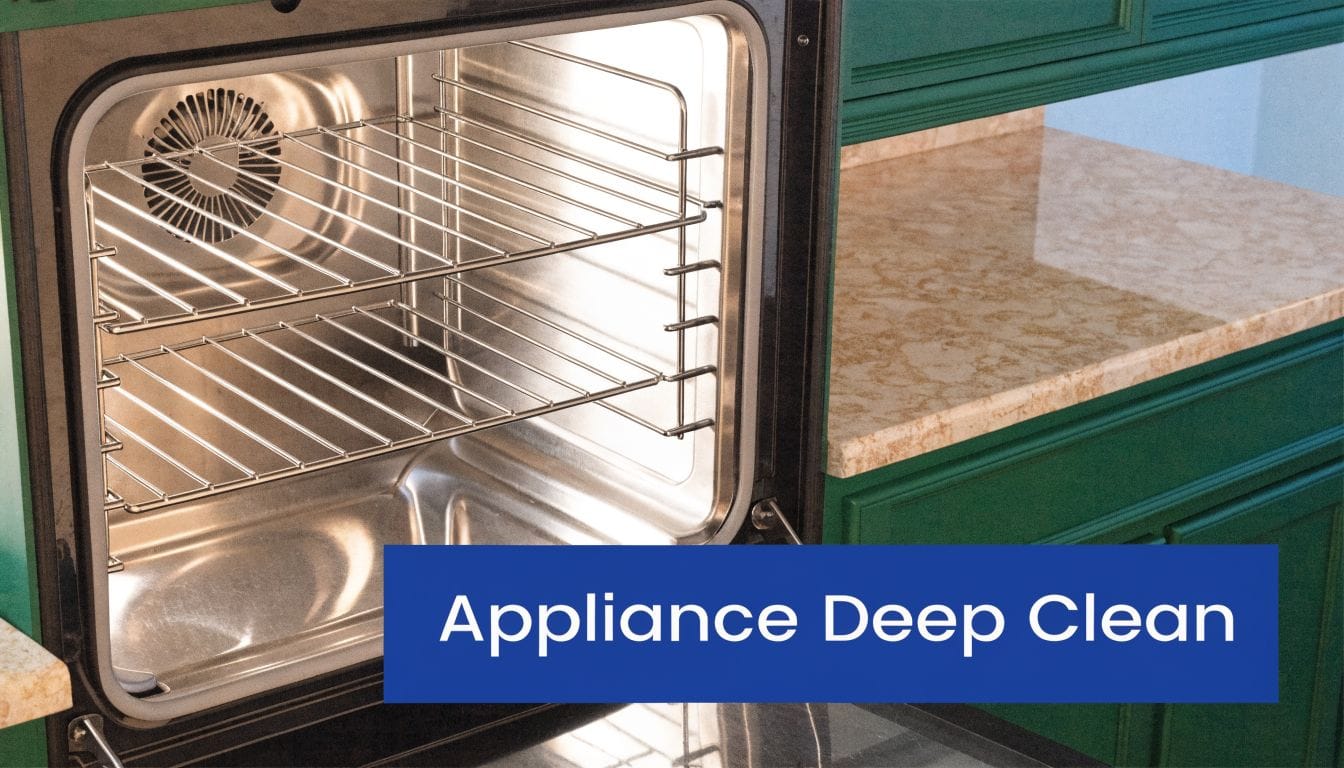
A practical rule in my trade is simple. If a job involves baked-on grease, hidden filters or seals that can be damaged, don't assume a supermarket spray and a sponge will do it properly. DIY cleaning is fine for microwave splatters, shelf liners and cupboard fronts. It usually falls short on ovens, hobs and extractors unless you're prepared to strip parts down carefully and spend real time on it.
What to do yourself and what to outsource
Handle the easy wins first:
- Empty and wipe the fridge properly: Remove shelves and drawers, wash them separately, then clean the interior and door seals.
- Clean cupboard fronts and handles: These surfaces often accumulate significant grease, particularly near the hob.
- Run the dishwasher empty after clearing the filter: A blocked filter often explains poor performance more than the machine itself.
For the tougher jobs, a specialist earns their fee. Professional oven cleaning is one of the clearest examples because the finish is hard to fake. If you're not sure how often those heavier kitchen jobs should happen, Cleaner Connect's guide on how often to clean your oven, hob and extractor is worth bookmarking.
Practical rule: If the oven smokes when preheating, it's already beyond a quick wipe-down.
A good appliance deep clean should also include the awkward details people skip. Ask whether the cleaner checks seals, removable racks, grill pans, splashbacks and the extractor cover. In summer, that prep pays off because the kitchen gets more use for gatherings, lighter meals and extra fridge traffic. If you're hiring, get clear on exactly which appliances are included before the visit starts.
2. Window and Glass Cleaning (Interior and Exterior)
By the first hot weekend of summer, the problem is obvious. Sunlight hits the glass, every smear shows up, and rooms that felt clean in spring suddenly look flat. Few jobs change the feel of a home faster.
This section is a good example of where a checklist should become a plan. Ground-floor interior glass, reachable patio doors and lower frames are sensible DIY work if you have a decent squeegee, lint-free cloths and enough time to work carefully. Upper-storey exteriors, skylights, conservatory roof panels and awkward bi-fold runs usually give a better return when you hire someone who does this every week and has the right equipment.
Where paying for help makes sense
Clean windows are not just about the pane itself. The quality difference usually shows at the edges, in the frames, on the sills and in the finish left behind on floors and surrounding paintwork. A rushed DIY clean often shifts the dirt around. A good professional removes it properly and does it without turning a simple job into a ladder risk.

Summer makes upkeep harder than people expect. Pollen, dust, light rain and insect marks can make freshly cleaned glass look tired again within days, especially on south-facing windows and doors that stay open. That does not mean the clean was pointless. It means timing matters. If you are booking for a party, photos, viewings or visiting family, schedule the work close to the date.
A few checks save hassle before anyone starts:
- Confirm whether frames, tracks and sills are included: Some window cleans cover glass only.
- Flag access problems early: Rear extensions, narrow paths, fragile flowerbeds and conservatories affect setup time.
- Mention specialist glass: Tinted panels, rooflights and older leaded windows sometimes need a different approach.
- Decide what you most want improved: Street-facing glass may matter more than every pane in the house.
One practical rule applies here. If a window needs a ladder, reaches over a roof, or sits above a conservatory, stop treating it as a casual weekend job.
Victorian terraces, homes with skylights and houses with long runs of folding doors usually benefit most from a professional summer clean because the light exposes every mark. If the budget is tight, prioritise the glass you notice every day and the areas guests see first. Leave the awkward, higher-risk work to a verified cleaner. For the rest of your summer plan, it also helps to review how often carpets should be cleaned in a busy home so you can decide what to tackle next and what to outsource.
3. Carpet and Upholstery Deep Cleaning
You notice it once the sun stays out longer. The carpet looks flatter, the hallway smells a bit stale after a warm day, and the sofa arms show the wear that winter light hid. Summer is a good time to deal with it because carpets and upholstery usually dry faster, which lowers the risk of that damp, over-wet smell that follows a poor cleaning job.
This area rewards a more selective approach than people expect. A careful DIY clean can make sense for a low-traffic rug, a fresh spill, or routine maintenance with a decent vacuum and spot treatment. Wall-to-wall carpet, pet odours, old staining and large fabric sofas are different. Those jobs take more water control, stronger extraction and more time than a rented machine usually gives you.
What works, and where DIY stops paying off
Hot water extraction is still the method I would choose for heavily used carpets in living rooms, stairs and family bedrooms. It flushes out soil from deeper in the pile and removes more residue than a quick surface pass. Upholstery needs more caution. Fabric type, dye stability and fill material all affect how much moisture it can safely take, so a sofa clean is one of those jobs where the wrong method can leave water marks, shrinkage or long drying times.
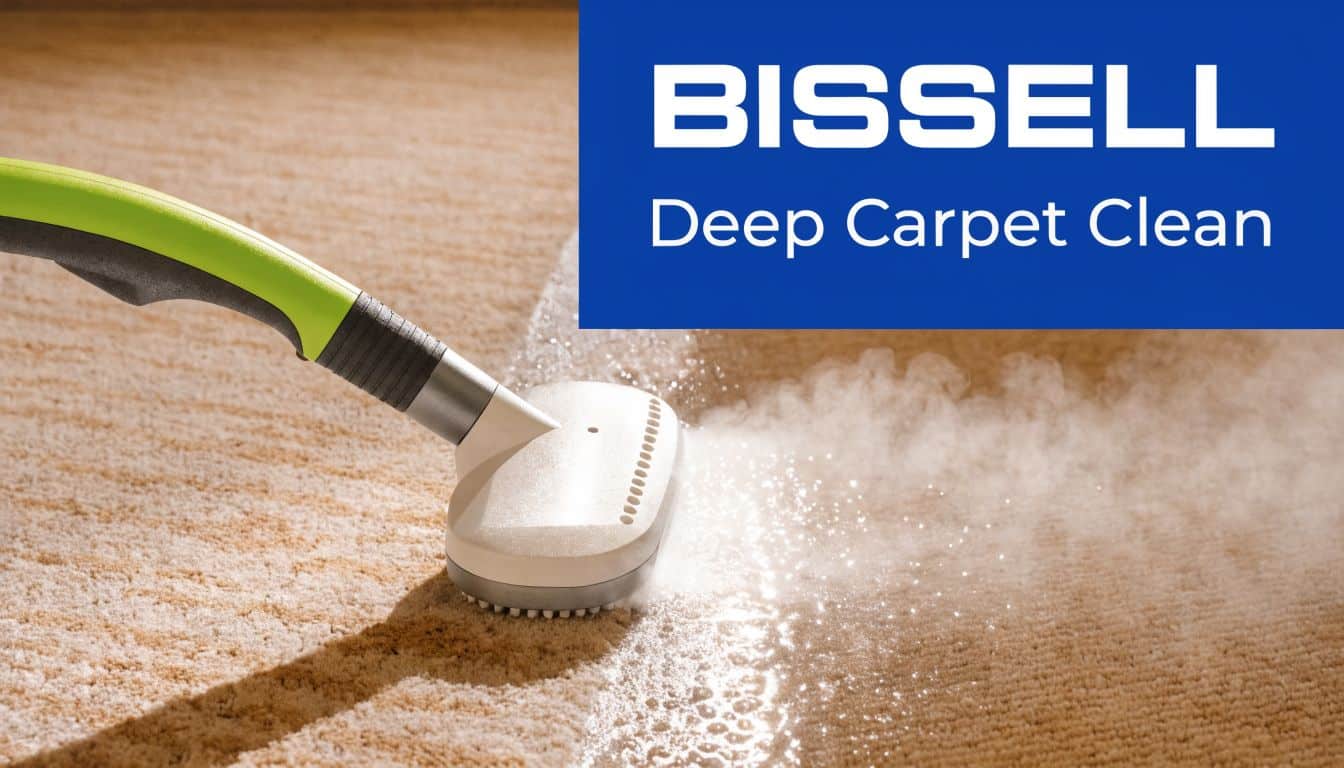
Rental machines have their place. They are useful for light maintenance and recent spills if you work carefully and do not soak the carpet. The trade-off is performance. They often leave more moisture behind, struggle with deep extraction, and can spread detergent residue if the carpet is not rinsed properly. That is usually the point where hiring a verified professional becomes the better return on your time and money.
If you are planning the job room by room, this guide on how often to clean carpets in a busy home helps you decide what needs attention now and what can wait.
A few practical steps make any visit go better:
- Vacuum before deep cleaning if the service does not include it: Dry soil turns to sludge once moisture hits it.
- Clear lamps, side tables and fragile items: Faster access means better use of the appointment.
- Point out stains at the start: Old wine, makeup, grease and pet accidents all need different treatment.
- Ask for a realistic drying estimate: Traffic, humidity, fibre type and airflow all affect when the room can be used again.
For rentals, guest rooms and homes heading into a busy summer, carpet and upholstery cleaning is often one of the smartest tasks to outsource. It changes how a room looks, smells and feels in a single visit, and it saves you from spending half a weekend pushing a machine that may not get the result you wanted.
4. Bathroom Deep Cleaning and Sanitisation
You notice the bathroom first on a hot day. The room smells clean for ten minutes, then the damp comes back. Water marks show on the screen, the grout still looks tired, and the silicone around the tray has that grey-black staining that never shifts with a quick wipe.
Bathrooms reward detail and expose rushed work. A surface clean improves the look of the room, but it does not deal with scale around fittings, residue under the rim, trapped moisture on seals, or dust clogging the extractor. If those jobs are skipped, the room slides back to looking grubby fast.
As noted earlier, damp and mould are common problems in UK homes. In bathrooms, weak airflow is usually the reason they keep returning. Cleaning helps, but only if moisture can leave the room afterwards.
Focus on grout, seals and ventilation
A proper bathroom reset means cleaning the areas that hold onto moisture and residue for weeks at a time. That includes grout lines, silicone edges, shower screens, tile corners, extractor covers, overflow plates, and the underside of taps and fittings. These are the places that separate a presentable bathroom from one that feels sanitary.
The trade-off is time versus finish quality. You can handle maintenance grime yourself with the right products, decent ventilation, and some patience. Older limescale, stained grout, blackened sealant, and mould-prone corners usually take more labour than people expect, and results vary if the room has years of build-up.
That is where a professional clean often earns its keep. Verified cleaners can descale more thoroughly, work safely on different surfaces, and tell you whether the problem is dirt, failed sealant, poor extraction, or all three. If sealant has reached the end of its life, no cleaning product will restore it. It needs replacing.
The bathroom does not need more fragrance. It needs less moisture trapped in the wrong places.
If you are booking help, ask direct questions before the visit. Does the deep clean include grout scrubbing, heavy descaling, extractor cover cleaning, and treatment of mould-prone edges? If not, decide whether you are booking a maintenance clean or paying for a full reset. That distinction matters in family bathrooms, rentals, and guest spaces where standards are higher and turnaround time is tighter.
Summer is a practical time to do this job because surfaces dry faster and you can air the room properly afterwards. If you want the best return on effort, do the easy prep yourself, clear products from ledges, empty cabinets under the basin, and wash or replace tired bath mats. Then use professional help for the stubborn work that changes the room in one visit.
5. Outdoor Space Cleaning (Patios, Decking, and Driveways)
You usually notice the outside when guests are due in two hours and the patio has gone green, the driveway is marked up, and the decking feels slick underfoot. Summer is when those surfaces get used hard, so outdoor cleaning earns its place on the checklist.
It also affects safety, drainage, and how well the whole property presents. Dirty paving, food residue near seating areas, and neglected bin zones can attract pests. Slippery algae on shaded paths is a more immediate problem. One good clean can remove the risk fast, but only if the method matches the surface.
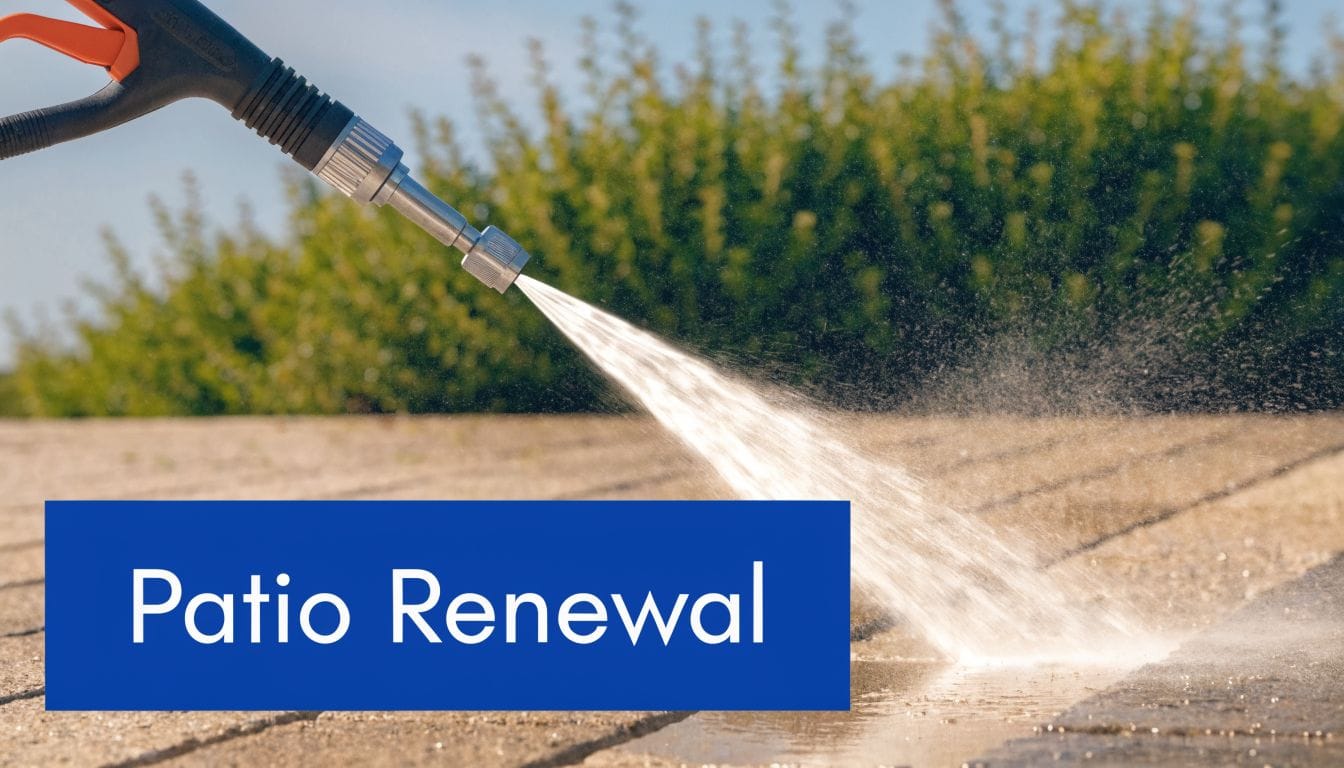
Pressure washing suits some jobs. It can shift built-up grime on concrete and many driveways quickly. It is the wrong choice for plenty of others. Timber decking, older pointing, and some natural stone are easy to scar, loosen, or strip if the operator uses too much force or the wrong nozzle.
That trade-off matters.
A decent cleaner will inspect first, then choose between pressure washing and a gentler treatment. If you are comparing quotes, ask what they plan to use on each surface and why. The right answer is specific. “We pressure wash everything” is usually a warning sign, not a selling point.
The DIY part is straightforward and worth doing yourself. Clear pots, mats, toys, and furniture. Sweep loose debris. Bag up leaves from corners and check that runoff will not push dirt into flower beds or toward the neighbour's boundary. That prep saves time on the visit and keeps the job focused on the cleaning itself.
Professional help tends to pay off when the area is large, heavily stained, slippery, or made from mixed materials. Patios with years of algae, block paving with weed growth between joints, and decking that needs a careful wash all benefit from experience. The finish is better, and the risk of damage is lower. If your outdoor cleaning ties into wider maintenance planning, it also helps to read up on the best time to clean your gutters so water runoff issues do not undo the work.
A few practical checks before you book:
- Ask how they handle algae and black spot: Surface dirt and deep staining are different problems.
- Check whether re-sanding is included for block paving: Washing can remove jointing sand.
- Confirm if furniture, rails, and outdoor glass are part of the visit: These often make the biggest difference to how the space looks afterwards.
- Ask where the wastewater goes: Good operators plan for drainage, surrounding plants, and nearby walls.
For larger exterior jobs, especially where paving condition overlaps with roofline drainage and water management, it makes sense to bring in expert roof and gutter maintenance rather than treating each issue as separate.
Outdoor areas set the tone before anyone steps inside. If you want the best return on effort, do the clearing and basic prep yourself, then pay for skilled cleaning where surface type, staining, and slip risk make the job harder than it looks.
6. Roof and Gutter Cleaning
You notice the problem after the next heavy shower. Water spills over the gutter edge, the wall stays wet longer than it should, and the corner by the downpipe starts to look tired. By that point, a simple clean can turn into a repair job.
Summer is a sensible time to deal with roofline maintenance because access is easier and blockages are easier to spot before autumn debris builds up. Gutters control where rainwater goes. If they are packed with moss, silt, and leaf matter, water ends up on brickwork, fascias, paths, and sometimes inside the house.
This is one of the clearest split decisions on a deep cleaning checklist. Clearing leaves from a reachable porch gutter is one thing. Working at height, flushing downpipes, and checking joints along the full roofline is usually money better spent on a verified professional. The return is straightforward. You save time, reduce risk, and get a better chance of catching loose brackets, cracked seals, and early signs of overflow damage before they become expensive.
If you are planning the job around the season, the best time to clean your gutters depends on tree cover, recent weather, and how quickly moss builds up on your roof. Timing matters. Clean too early and you may need another visit sooner than expected.
A proper visit should do more than scoop out debris. Ask whether the service includes downpipe testing, removal of moss washed into gullies, and a visual check of the roof edge. For a broader view of what trained contractors inspect, this overview of expert roof and gutter maintenance is a useful benchmark.
Before you book, ask for before-and-after photos and confirm insurance. On gutter work, proof matters because you cannot safely inspect every run from the ground. If you want the best use of your effort, handle the easy prep yourself. Move cars, clear access, and note any overflow points you have seen. Then bring in a pro for the ladder work and inspection.
7. Bedroom and Dressing Area Deep Clean
You change the sheets, open a window, and the room looks fine. Then you pull the bed out a foot and find dust, hair, lint, and the odd missing sock packed along the skirting. Bedrooms hide dirt well, which is why they get missed on a summer deep clean.
The payoff here is different from a kitchen or bathroom. You are not chasing visible grime as much as cleaner air, fresher fabrics, and a room that feels settled and ready for rest. If anyone in the house is sensitive to dust, pollen, or stale air, the bedroom usually deserves more attention than it gets.
Start with access. If the floor is covered with storage boxes, laundry, shoes, or clothes waiting to be sorted, deal with that first. I have seen plenty of people spend good money on a cleaner and still get a mediocre result because half the room could not be reached. Clear access first, then clean properly.
The priority spots are the ones routine tidying skips. Under the bed matters. So do the back edges of bedside cabinets, the tops of wardrobes, drawer runners, lamp bases, headboards, and wardrobe floors where fluff builds up fast. Curtains, fabric blinds, rugs, and upholstered bed frames also hold dust and odours long after the room starts to look presentable again.
Some of this is sensible DIY work. Strip the bed, wash bedding, vacuum the mattress surface, wipe reachable furniture, and sort out clutter. Those jobs cost more in effort than skill.
Bring in a verified professional when the room has heavy furniture that needs moving safely, delicate fabrics that need the right treatment, built-in wardrobes with years of dust in awkward corners, or multiple soft furnishings that need more than a quick vacuum. That is usually the better return. You save hours, reduce the chance of damaging finishes, and get a result that lasts longer than a rushed weekend clean.
A practical order helps:
- Wash bedding first: It gives you time to clean the rest of the room while everything is in the machine.
- Vacuum high to low: Start with wardrobe tops, light fittings, and headboards, then finish with the floor.
- Clean under and behind the bed: This is often the dirtiest part of the room.
- Empty wardrobe and drawer bottoms where needed: Dust, fibres, and forgotten items collect there quickly.
- Wipe touch points: Switches, handles, drawer pulls, and lamp switches are easy to miss.
- Finish with fabric care: Curtains, blinds, rugs, and upholstered pieces make the biggest difference to how fresh the room feels.
Guest rooms and dressing areas often benefit most from a summer reset because they are used unevenly. They stay shut, gather dust, and only get proper attention when someone is about to stay over or when you are hunting for space in a wardrobe. A proper deep clean fixes that backlog.
If your target is a bedroom that feels calm and clean, focus less on styling and more on access, dust removal, and fabric care. That is what changes the room. Scatter cushions can wait.
8. Living Areas and Lounge Deep Clean
The lounge collects life. Remote controls, pet hair, fingerprints on painted walls, dust in corners, crumbs under the sofa, marks on light switches, smudges on glass tables. Because it's used every day, it also gets cleaned in a rushed, surface-level way. That keeps it presentable, but not properly fresh.
If your home feels a bit stale even after tidying, this room is usually the reason. The problem isn't one big dirty surface. It's layers of small neglect.
Focus on touch points and soft furnishings
Start with what people handle and what traps dust. That means skirting boards, switches, door handles, blinds, lampshades, cushions, throws and upholstery. If the room has textured paint, shelves full of ornaments or a fireplace surround, allow extra time because those details slow everything down.
For many homes, a professional cleaner adds the most value here when upholstery, carpet edges, high dusting or wall washing are involved. Those are the jobs that take time and care. Rushing them leaves water marks, streaks or damaged finishes.
A clean lounge shouldn't just look ready for guests. It should feel easier to sit in, breathe in and maintain afterwards.
There are also practical reasons to clean this room thoroughly in summer. More daylight shows wall marks clearly, windows get opened more often, and family traffic usually increases. If you're entertaining, this is one of the rooms people judge subconsciously.
A few smart prep steps help:
- Remove breakables first: Shelves and side tables can then be cleaned properly.
- Group cables and devices: It speeds up dusting around media units.
- Ask about fabric-safe methods: Especially for delicate chairs, velvet sofas or mixed-material furnishings.
A lounge deep clean rarely gets social media glory, but it changes how the home feels day to day.
9. Move-In/Move-Out and End-of-Tenancy Deep Clean
You get the last box out, look around, and realise the hard part still isn't finished. An empty property shows everything. Grease in the oven, dust on cupboard tops, limescale around taps, marks on walls, grime in window tracks. The issues that pass unnoticed in daily life are obvious during a handover.
This type of clean needs a different standard from a regular summer reset. The goal is not merely to make the place look tidy. The goal is to leave it inspection-ready for a landlord, letting agent, buyer, or incoming tenant. That means cleaning inside appliances, inside cupboards, behind and beneath anything left in place, and along the edges where dirt collects once furniture is gone.
If you want a practical split between DIY and paid help, use one rule. Handle the low-risk jobs yourself if time is on your side. Bring in a verified professional for the tasks that affect deposits, disputes, and first impressions.
Where DIY works, and where hiring pays off
A tenant or homeowner can usually manage basics such as emptying cupboards, removing rubbish, wiping accessible shelves, and dealing with light dust once the property is cleared. Those jobs are straightforward, and doing them before the cleaner arrives can cut time on site.
The higher-return work is different. Ovens, heavy bathroom scale, grease build-up, extractor fans, interior windows, and full-room finish cleaning take longer than people expect. They also get checked closely. I have seen plenty of handovers where a decent general clean still failed because the agent opened the oven, checked the shower screen, or ran a finger along the top of a door frame.
For landlords and letting agents, speed matters as much as detail. A proper move-in clean should let the next occupant unpack without having to rewash shelves, scrub the fridge, or question the bathroom hygiene. That standard is hard to hit if the cleaning is squeezed in after removals, paperwork, and key return.
A few steps make the job more efficient:
- Clear the property first: Empty rooms are faster to clean properly and leave fewer missed areas.
- Photograph condition before cleaning starts: Useful if there is any later dispute about stains, damage, or wear.
- Ask for the scope in writing: Check whether the service includes ovens, white goods, inside cupboards, and carpet treatment.
- Match the cleaner to the risk: For deposit-sensitive handovers, use a verified specialist rather than a general domestic cleaner.
Summer moves put pressure on timing. Good cleaners get booked early, and rushed availability usually means rushed decisions. If the property condition affects your deposit, your check-in standard, or how quickly you can re-let, this is one of the clearest jobs to outsource. It saves time, reduces arguments, and usually gets a better result than trying to finish it when you're already worn out.
10. Airbnb and Holiday Let Turnaround Cleaning
A guest checks in at 4 pm, drops a bag in the bedroom, opens the fridge, looks at the shower tray, and notices the last stay straight away. That is how turnaround cleaning gets judged. Fast, close, and with no margin for lazy shortcuts.
Holiday let cleaning is operations work as much as cleaning. The job is not just to remove dirt. It is to reset the property so the next guest walks into a space that feels fresh, stocked, and ready to use. In summer, tighter booking gaps make that harder. More daylight also makes smears on glass, crumbs under tables, and hair in bathrooms easier to spot.
Cleaner Connect lists strong demand for Airbnb and end-of-tenancy cleaning in summer. That lines up with what hosts already know from experience. Once occupancy rises, reliable turnaround support stops being a convenience and starts protecting revenue.
What guests notice, and what hosts often miss
The standard is different from a normal domestic clean. Beds need changing properly. Towels need checking, not just folding. Kitchen surfaces, appliance fronts, taps, toilet bases, remote controls, door handles, and bin areas all need attention because those are the places guests judge first. A property can smell clean and still fail if the hob is greasy or the bathroom grout looks tired.
Presentation matters too. If your cleaner is also expected to restock tea, coffee, loo roll, soap, or welcome items, put that in the brief. If they need to flag damage, missing items, or stains between stays, build that into the process as well. Good turnaround cleaners are often acting as your eyes on site.
A workable setup usually includes:
- One fixed checklist for each property: Room-by-room and item-by-item, including laundry, bins, restocking, and simple visual checks.
- Photo confirmation after each clean: Useful for remote hosts, co-hosts, and anyone managing more than one property.
- Access and timing agreed in advance: Key safes, alarm codes, parking, and the actual check-out to check-in window.
- Clear rules on linen and consumables: State who supplies them, where backups are stored, and what gets replaced each visit.
This is one of the clearest hire-versus-DIY decisions on the list. If you live nearby, have buffer days between bookings, and only manage one small property, you can handle some turnarounds yourself. If bookings are back-to-back, guest reviews affect your pricing, or you manage from a distance, a verified professional through a trusted directory such as Cleaner Connect usually gives the better return. It saves hours, reduces missed details, and helps keep standards consistent over a long summer run.
Summer Deep Cleaning: 10-Area Comparison
| Service | 🔄 Implementation complexity | ⚡ Resource requirements & speed | ⭐ Expected outcomes / quality | 📊 Ideal use cases | 💡 Key tips |
|---|---|---|---|---|---|
| Deep Clean Kitchen Appliances and Interiors | High, specialist techniques, careful handling, risk of damage | Specialized degreasers, oven tools, dismantling; time-consuming per appliance | ⭐ Restores hygiene and efficiency; reduces bacteria and pests | Homeowners preparing for entertaining, rentals, Airbnb hosts | 💡 Book before summer; ask about eco degreasers; bundle appliances for savings |
| Window and Glass Cleaning (Interior & Exterior) | Medium, access and safety considerations for upper windows | Water-fed poles, squeegees, ladders/harnesses; weather-dependent speed | ⭐ Streak-free clarity; improved daylight and glass longevity | Multi-storey properties, commercial premises, holiday lets | 💡 Schedule dry day; request water-fed pole & frame/sill cleaning |
| Carpet and Upholstery Deep Cleaning | Medium, equipment setup, furniture moving, drying time | Industrial steam/extraction units, stain treatments; long drying (hours) | ⭐ Removes deep allergens, stains and odors; extends textile life | Families with pets, rental managers, offices, holiday lets | 💡 Pre-vacuum; choose IICRC-certified pros; schedule on warm dry day |
| Bathroom Deep Cleaning and Sanitisation | High, chemical knowledge, mould remediation, ventilation needs | Grout tools, specialist cleaners, PPE; moderate duration per bathroom | ⭐ Medical-grade sanitisation; mould and lime-scale removal | Rental properties, damp-prone homes, commercial facilities | 💡 Ensure ventilation; ask about grout sealing and mould inhibitors |
| Outdoor Space Cleaning (Patios, Decking, Driveways) | Medium, pressure/soft-wash technique and surface knowledge | Pressure washers, soft-wash systems, sealing treatments; fast but weather-dependent | ⭐ Restores kerb appeal, removes algae/moss, reduces slip hazards | Homeowners pre-entertaining, commercial exteriors, landlords | 💡 Use soft-wash for delicate surfaces; check runoff and sealing options |
| Roof and Gutter Cleaning | High, height work, safety harnesses and access skills | Ladders, harnesses, debris disposal, moss treatments; labor-intensive | ⭐ Prevents water damage, improves drainage, extends roof life | Homes near trees, properties with drainage issues, landlords | 💡 Schedule in late spring; request inspection and proof of insurance |
| Bedroom and Dressing Area Deep Clean | Low–Medium, detailed manual work, possible furniture relocation | Vacuum, microfiber, mattress treatments; relatively quick per room | ⭐ Better air quality, reduced allergens, organised spaces | Allergy sufferers, guest-room prep, rental properties | 💡 Declutter before arrival; request mattress/dust-mite treatments |
| Living Areas and Lounge Deep Clean | Medium, furniture movement, multi-surface cleaning | Multi-tool kits, upholstery refresh, wall-safe cleaners; moderate time | ⭐ Refreshed entertaining spaces; reduced dust and visible wear | Homeowners hosting, open-house staging, holiday lets | 💡 Clear decor; ask about upholstery protection and wall-safe methods |
| Move-In/Move-Out & End-of-Tenancy Deep Clean | High, comprehensive, checklist-driven to meet agency standards | Full-service equipment (appliances, floors, windows); can take hours–days | ⭐ Agency-standard cleanliness; higher chance of deposit recovery | Tenants moving out, landlords preparing listings, letting agents | 💡 Book as soon as move dates set; get itemised checklist and photos |
| Airbnb & Holiday Let Turnaround Cleaning | Medium–High, time-sensitive, consistency-critical | Multi-person teams, linen service, inventory checks; very fast turnaround (2–4 hrs) | ⭐ Consistent guest-ready presentation; protects reviews and bookings | Airbnb hosts, high-turnover rentals, property managers | 💡 Use strict checklist; arrange linen service and QA photos on completion |
Your Next Step From Checklist to Clean
Saturday starts well enough. You open the windows, put the wash on, and tell yourself you will get through the summer deep clean by dinner. Three hours later, the kitchen is half done, the carpet machine has left the rug too wet, and the gutters are still untouched. That is usually the point where a checklist stops being useful and starts becoming a backlog.
A good summer cleaning plan separates low-risk jobs from specialist work. Wiping out wardrobes, clearing bedroom dust, refreshing living areas, and sorting bathroom storage are sensible DIY tasks if you have the time. Appliance degreasing, exterior glass, carpet extraction, roofline work, and end-of-tenancy cleaning usually give better results in professional hands because the finish depends on equipment, access, and process, not just effort.
That split saves time and avoids expensive mistakes.
I have seen plenty of households lose a full weekend on jobs a pro could finish in a few hours with the right kit. The usual problem is not lack of effort. It is using the wrong chemical on a delicate surface, over-wetting upholstery, smearing glass in direct sun, or underestimating how long detail work takes. Summer cleaning sounds manageable on paper. In practice, some tasks are slow, messy, and easier to get wrong than people expect.
The best outsourcing candidates are the jobs with one of three traits. They need specialist machinery, they involve height or safety issues, or the standard has to be high first time. That covers oven interiors, external windows, carpets, gutters, patios, and move-out cleans. If the result affects a tenancy deposit, guest review, property presentation, or drainage problem, paying for skilled help often gives a better return than doing it yourself badly and redoing it later.
Cleaner Connect UK Ltd is a UK directory that helps you compare cleaning providers by service and area. You can review business profiles, check practical trust signals such as insurance and ID status, read customer feedback, and contact providers directly for quotes. That matters with seasonal deep cleaning because you are rarely looking for one generic cleaner. You may need a carpet technician, a window cleaner, a gutter specialist, or a team that handles rental changeovers to a set standard.
Be realistic when using the checklist. If a task keeps getting pushed to next weekend, if it needs tools you do not own, or if a poor result will cost you more than the booking, put it in the hire column.
A checklist gives you a plan. The right cleaner gets the job finished.
If you're ready to turn your Summer Deep Cleaning Checklist into a booked job, explore Cleaner Connect UK Ltd to find local cleaning professionals by service and location, check verified profile details, read reviews and message providers directly for quotes.